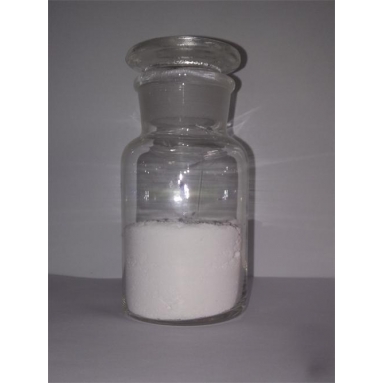

2,3-Dimethyl-2,3-Diphenylbutane | Synthesis & Applications
2,3-Dimethyl-2,3-Diphenylbutane is an organic compound known for its complex structure and relevance in chemical research. It belongs to the class of substituted butanes with phenyl and methyl groups attached to the second and third carbon atoms. The compound is studied for its chemical stability, reactivity, and potential applications in organic synthesis and material science.
Chemical Structure and Properties
The molecular structure of 2,3-Dimethyl-2,3-Diphenylbutane consists of a four-carbon backbone with two methyl groups and two phenyl groups attached symmetrically. This arrangement results in a highly branched molecule with steric hindrance around the central carbons. The compound exhibits specific physical properties such as melting point, boiling point, and solubility in various organic solvents. Its structural configuration influences its reactivity and interaction with other chemicals.
Methods of Synthesis
The synthesis of 2,3-Dimethyl-2,3-Diphenylbutane typically involves organic reactions that form carbon-carbon bonds between the butane backbone and phenyl groups. Methods may include alkylation, Friedel-Crafts reactions, or Grignard reagent reactions. Controlling reaction conditions such as temperature, solvent, and catalysts is crucial to achieving high yields and purity. The synthesis process is often carried out in controlled laboratory environments to prevent side reactions and ensure safety.
Reactivity and Chemical Behavior
2,3-Dimethyl-2,3-Diphenylbutane exhibits chemical behavior influenced by its sterically hindered structure. The presence of bulky groups can slow certain reactions while promoting others that are less sterically demanding. The compound may participate in oxidation, substitution, or elimination reactions under specific conditions. Its reactivity is studied to understand reaction mechanisms and to develop new synthetic pathways in organic chemistry.
Applications in Research and Industry
While primarily of interest in academic and industrial research, 2,3-Dimethyl-2,3-Diphenylbutane serves as a model compound for studying steric effects and molecular interactions. It may be used as an intermediate in the synthesis of more complex organic molecules, polymers, or specialized chemicals. Researchers also explore its physical and chemical properties to gain insights into molecular stability, crystallography, and conformational analysis.
Handling and Safety Considerations
Handling 2,3-Dimethyl-2,3-Diphenylbutane requires standard laboratory precautions. Protective equipment, proper ventilation, and controlled reaction conditions are essential to ensure safety during synthesis and experimentation. Knowledge of the compound’s chemical properties, flammability, and potential hazards is important for safe laboratory practices and regulatory compliance.
Conclusion
2,3-Dimethyl-2,3-Diphenylbutane is a structurally interesting organic compound with applications in chemical research and synthesis. Its branched configuration and phenyl substitution influence its physical and chemical behavior, making it valuable for studies on steric effects and reactivity. Continued research on this compound contributes to a deeper understanding of molecular chemistry and the development of new synthetic methods.