Products
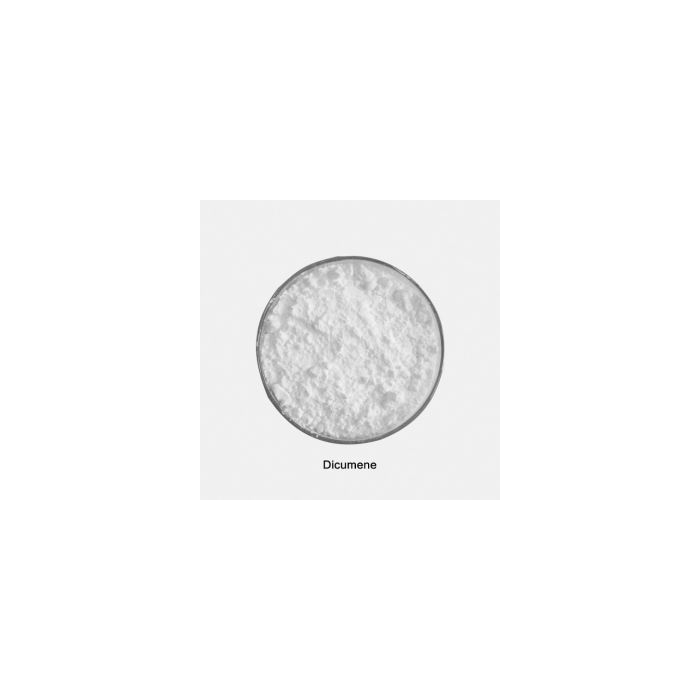


Dicumene
Dicumene, also known as 2,3-Dimethyl-2,3-Diphenylbutane, is a non-antimony, non-peroxide flame-retardant synergist for PP, PS, EPS, and XPS formulations. It can be used with selected brominated flame-retardant systems and evaluated as an alternative to antimony trioxide in compatible polymer applications.
CAS No. 1889-67-4. White to light yellow powder with content of ≥96.0% by HPLC. Standard packing: 20 kg plastic bag with outer carton. COA, TDS, SDS, application guidance, samples, and REACH-related documentation are available upon request.
- Flame-retardant synergy: Supports selected brominated flame-retardant systems for PP, PS, EPS, and XPS applications.
- Antimony alternative: Can be evaluated for reduced-antimony or antimony-free formulation projects, subject to finished-material testing.
- Polymer processing: Suitable for selected styrene polymerization, high-temperature crosslinking, grafting, and polymer modification projects.
- Technical support: Provide the polymer type, flame-retardant package, processing method, target fire standard, quantity, and destination for technical guidance and quotation.

Dicumene Specifications for Flame-Retardant Polymer Applications
| Property | Typical Specification |
|---|---|
| Product Name | Dicumene |
| Chemical Name | 2,3-Dimethyl-2,3-Diphenylbutane |
| CAS No. | 1889-67-4 |
| Molecular Formula | C18H22 |
| Molecular Weight | 238.37 g/mol |
| Appearance | White to light yellow powder |
| Content | ≥96.0% (HPLC) |
| Standard Packaging | 20 kg plastic bag with outer carton |
| Documentation | COA, TDS, SDS, application guidance, and REACH-related information available upon request |
Typical specifications are subject to the current Certificate of Analysis (COA). Application guidance and recommended dosage depend on the polymer system, flame-retardant package, processing conditions, and target fire-performance standard.
Dicumene Flame-Retardant Synergy for PP, PS, EPS and XPS
Dicumene is used as a flame-retardant synergist in selected polypropylene, polystyrene, expandable polystyrene, and extruded polystyrene systems. It can be used with selected brominated flame-retardant packages to support formulation development for foam and polymer products requiring defined fire-performance targets.
Alternative Synergist for Antimony-Reduction Projects
For selected brominated flame-retardant polymer formulations, Dicumene can be evaluated as a non-antimony alternative to conventional antimony trioxide synergist systems. The achievable replacement level depends on the base polymer, primary flame retardant, additive ratio, product density or thickness, processing route, and required flame-retardant standard.
- Antimony-reduction option: Supports formulation projects seeking to reduce or remove antimony trioxide from selected compatible systems.
- System-specific dosage: Recommended dosage should follow the applicable application guide and be verified in the target polymer formulation.
- Fire-performance verification: Confirm results using the test method and standard required for the finished material.
Support for Brominated Flame-Retardant Packages
Dicumene can be used with selected brominated flame-retardant additives in PP, PS, EPS, and XPS projects. In certain tested formulations, it may support optimization of the brominated additive level while maintaining the target fire-performance requirement. Formulation changes must be verified through internal processing and fire testing.
- Package review: Confirm the selected brominated flame retardant, resin grade, filler content, and target product format.
- Processing review: Check dispersion, extrusion, molding, foaming, or polymerization conditions before scale-up.
- Trial support: Request application guidance for the intended PP, PS, EPS, or XPS system.
Dicumene for Styrene Polymerization and Polymer Modification
In addition to flame-retardant synergy, Dicumene can be evaluated for selected styrene polymerization, high-temperature crosslinking, grafting, and polymer modification applications. Suitability depends on the resin system, temperature profile, residence time, additive ratio, and target material properties.
Process Information Needed for Technical Review
- Polymer or monomer: Identify the target resin, monomer, or polymer system.
- Processing conditions: Share the expected temperature range, process route, and equipment type.
- Project objective: Specify whether the project involves flame retardancy, crosslinking, grafting, polymerization, or material modification.
- Performance target: Provide the required mechanical, thermal, processing, or fire-performance criteria.
Dicumene Applications for Polymer and Foam Material Producers
Dicumene is suitable for technical evaluation by polymer compounders, foam material producers, EPS and XPS manufacturers, masterbatch producers, flame-retardant formulators, and specialty chemical distributors.
- EPS and XPS: Flame-retardant foam formulation and process-development projects.
- PP and PS: Flame-retardant compound, masterbatch, and molded-product formulation projects.
- Styrene processing: Selected mass polymerization and related polymer-processing applications.
- Polymer modification: Selected high-temperature crosslinking, grafting, and material-development projects.
Typical Dicumene Evaluation for an EPS Flame-Retardant Project
An EPS material producer was reviewing Dicumene for a formulation project using a brominated flame-retardant package.
Buyer Requirement
The buyer required a non-antimony synergist with defined HPLC content, application guidance, and supply documentation. The project objective was to evaluate formulation options while meeting the required foam-processing conditions and fire-performance target.
Solution
Wuxi Zhufeng Fine Chemical Co., Ltd. provided current product specifications, available application guidance, and documentation for technical review. The buyer then compared Dicumene with the selected resin grade, brominated flame-retardant package, foam density target, and internal test plan.
Result
The buyer obtained a structured basis for laboratory evaluation and scale-up planning. Final dosage, processing parameters, and fire-performance results remained subject to the buyer's own formulation trials and validation program.
Dicumene Supply and Documentation from Zhufeng Chem
Wuxi Zhufeng Fine Chemical Co., Ltd. supplies Dicumene with a minimum content of ≥96.0% by HPLC and standard 20 kg packaging. COA, TDS, SDS, application guidance, samples, and REACH-related information can be provided for the applicable supply request.
For technical review and quotation preparation, buyers should provide the polymer type, intended application, flame-retardant package, processing method, target fire-performance standard, required quantity, destination, and preferred packaging. The buyer remains responsible for confirming finished-material performance, process safety, and regulatory suitability for the intended use.
Dicumene Questions for Polymer and Flame-Retardant Buyers
Can Dicumene be used as an alternative to antimony trioxide?
Dicumene can be evaluated as a non-antimony synergist in selected compatible brominated flame-retardant polymer systems. The replacement level should be determined through formulation and finished-material fire testing.
Can Dicumene be used with brominated flame retardants?
Yes. Dicumene can be used with selected brominated flame-retardant packages in PP, PS, EPS, and XPS formulation projects. The specific package and dosage should follow the applicable application guidance and testing program.
What polymer applications can be evaluated with Dicumene?
Dicumene can be evaluated in PP, PS, EPS, XPS, selected styrene polymerization, high-temperature crosslinking, grafting, and polymer modification projects.
What documents are available for Dicumene?
COA, TDS, SDS, application guidance, and REACH-related information can be provided for the applicable supply request. Please specify the destination market and documentation requirements.
Request Dicumene Technical Information and Quotation Details
For technical information, samples, or quotation preparation, please provide the polymer type, intended application, flame-retardant package, processing method, target fire standard, required quantity, destination country or port, packaging preference, and required documentation. Submit these details through our product inquiry page so Wuxi Zhufeng Fine Chemical Co., Ltd. can prepare relevant application and supply information.