

Caprylyl Glycol Crystallization: How to Troubleshoot Cloudiness and Particles
A container of Caprylyl Glycol arrives with white solids inside. In a separate trial, a serum looks clear at the end of mixing but develops visible particles overnight. Both observations can raise questions about crystallization, but they call for different checks. For the raw material, the first question is whether its appearance matches the documentation and handling conditions. For the serum, the first question is when the particles appeared and what changed before they became visible.
This guide shows how to separate those two situations, investigate cloudiness or particles without assuming their cause, and set up a bench trial that helps you decide what to check next.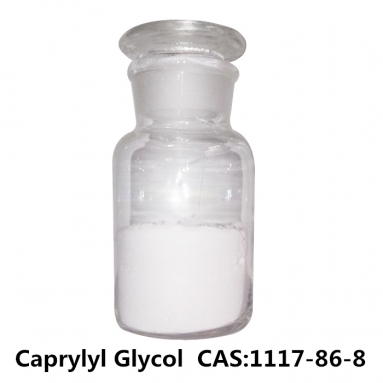
Is the Solid in the Raw Material or the Finished Formula?
White Solids in the Raw Material Container
Caprylyl Glycol may be supplied as a colorless liquid or a white solid, and its physical appearance can change with temperature. If you find white solids at receipt, record the lot number, the observed appearance, and any available transport or storage information. Compare those observations with the current documentation for the supplied grade. Color and physical state alone are not enough to accept or reject a lot.
For the material supplied by Zhufeng Chem, start with the Caprylyl Glycol product specifications, then check the documents applicable to the lot you received. If the appearance does not match the applicable documentation, or you cannot establish how the material should be handled, refer the lot for quality review before using it. Do not improvise a warming procedure based on a different grade or supplier's instructions.
Haze or Particles in the Finished Formula
If the change appears in a serum, gel, or emulsion, keep a representative sample and record when you first noticed it. Note whether the batch was clear or uniform before cooling, whether the change affected the whole sample, and whether any particles settled or collected at the surface. Call the observation “haze,” “particles,” or “sediment” until there is evidence to identify it. A visible particle is not proof that Caprylyl Glycol has crystallized.
| Observation | Where and When It Appeared | What to Check First | Next Step |
|---|---|---|---|
| White solids | Raw material at receipt or after storage | Lot identification, handling history, and documented appearance | Refer discrepancies for quality review before use. |
| Haze immediately after addition | During mixing, before cooling | Actual addition sequence and whether mixing introduced visible air | Compare the sample after a defined hold with a reference prepared by the usual method. |
| Visible particles after cooling | In a batch that looked uniform when warm | Cooling history and the stage at which particles first appeared | Repeat the existing process as a reference, then compare one controlled process change. |
| Sediment or separation after standing | During a hold or storage observation | Where the change occurred and whether the rest of the sample remained uniform | Retain the sample and investigate both the particles and the stability of the wider formula. |
What to Check Before Changing the Formula
Review the Actual Batch Record
Compare what happened at the bench with the written procedure. Check the order of addition, the temperature at the point of addition, the mixing time, and the cooling history. If there is a previous trial without the defect, compare the two records before making a new batch. A documented difference gives you a better starting point than changing the ingredient level, mixing speed, and cooling conditions all at once.
Consider Other Sources of Haze or Particles
Air introduced during mixing, incomplete dispersion, another ingredient coming out of solution, and changes in an emulsion can all be investigated as possible explanations. Use the timing to decide where to look first, not to declare a cause. For example, if the batch was already hazy before Caprylyl Glycol was added, document that observation rather than attributing the onset of haze to the addition.
If identifying the particles will affect a release or scale-up decision, keep the affected sample and ask the appropriate laboratory or quality team to determine what further examination is needed. Use process observations to guide the investigation, not as a substitute for identification.
Quick Troubleshooting Flow
Where did the change first appear?
|
+-- In the raw material container
|   Record the lot, appearance, and handling history
|   Check the applicable product documentation
|   If anything is inconsistent or unclear, refer for quality review
|
+-- In the finished formula
    Record whether it appeared during mixing, cooling, or standing
    Compare the batch record with an unchanged reference
    Test one plausible process variable
    Recheck both samples at the same observation points
How to Run a Controlled Bench Trial
Keep an Unchanged Reference Batch
Prepare one small batch using the existing formula and procedure. Its role is to show whether you can reproduce the original observation under bench conditions. Label the reference and test samples clearly. Record ingredient lots, batch size, and the conditions used to prepare and hold each sample. If the reference does not reproduce the defect, note that limitation before treating a clear test sample as evidence of a fix.
Compare Direct Addition and Premixing Only Where Appropriate
If the supplier's guidance and your formula allow both approaches, compare the current addition method with a defined premix using a portion of a suitable ingredient already in the formula. Keep the total composition unchanged. Match the other conditions as closely as practical, and record any differences you cannot avoid. If the premix also requires a different temperature or mixing time, describe the comparison as a test of two procedures, not proof that premixing alone made the difference.
Inspect Both Samples After Cooling and During Hold
Set the observation points before you start. For example, record the appearance at the end of mixing, after both samples have cooled under the same conditions, and after a defined hold. Use comparable containers, lighting, and backgrounds when photographing the samples. A batch that looks clear while warm may still develop particles later, so do not end the comparison at the mixing vessel.
Illustrative Example: Particles in a Clear Serum
A trial serum looks clear at the end of mixing but contains visible particles the next morning. In this hypothetical example, Batch A repeats the current addition procedure. Batch B uses a defined premix, if appropriate for the formula. The formulator keeps the composition and the remaining process and observation conditions the same.
- If particles appear in Batch A but not Batch B, the revised procedure is worth repeating. The result does not identify the particles or establish long-term stability.
- If particles appear in both batches, the change did not prevent the defect under the tested conditions. Review other variables rather than treating the addition method as the sole cause.
- If neither batch develops particles, the trial did not reproduce the original defect. Review differences between the original batch and the bench setup before concluding that the issue is resolved.
Apply the Findings to Your Formulation Type
Clear Serums and Gels
Record uniform haze, separate particles, and settled material as different observations. Compare samples against the same background and note whether the change is visible throughout the container or concentrated in one area. These details make it easier to compare the original batch with later trials.
Emulsions and Lotions
Clarity is not a useful endpoint for an intentionally opaque emulsion. Instead, record visible specks, changes in texture, and any surface layer or separation. If the main change is loss of uniformity rather than discrete particles, investigate the emulsion as a whole instead of assuming that the issue involves one ingredient.
When to Pause Before Scale-Up
Pause if the defect cannot be reproduced, if the raw material's status is unresolved, or if the only improvement seen is that a warm sample looks clearer. Before adopting a revised procedure, confirm that its result is repeatable under the relevant cooling and hold conditions. Evaluate the change under your normal product stability and quality procedures before using it at production scale.
Frequently Asked Questions
Does Solid Caprylyl Glycol Mean the Raw Material Has Degraded?
Not necessarily. Physical appearance can vary with temperature. Check the lot documentation and handling history before making a quality decision. If the observations fall outside what the documentation describes, refer the material for review.
Can Cloudiness Confirm Caprylyl Glycol Crystallization?
No. Cloudiness is an observation, not an identification. Start with when the haze appeared and what changed in the batch. If knowing the cause matters for a quality decision, have the affected sample examined.
Should Caprylyl Glycol Be Added to the Water Phase or the Oil Phase?
Do not choose an addition phase based on the ingredient name alone. Review the guidance for the grade you are using and the requirements of your formula. If more than one route is suitable, compare them at bench scale and check both samples after cooling and holding.
Does a Clear Warm Batch Rule Out Particles After Cooling?
No. It shows only how the batch looked at that point in the process. Record the appearance again after cooling and at the defined hold points before drawing a conclusion.
For a broader introduction to the ingredient's uses, see our overview of Caprylyl Glycol in skincare formulations.